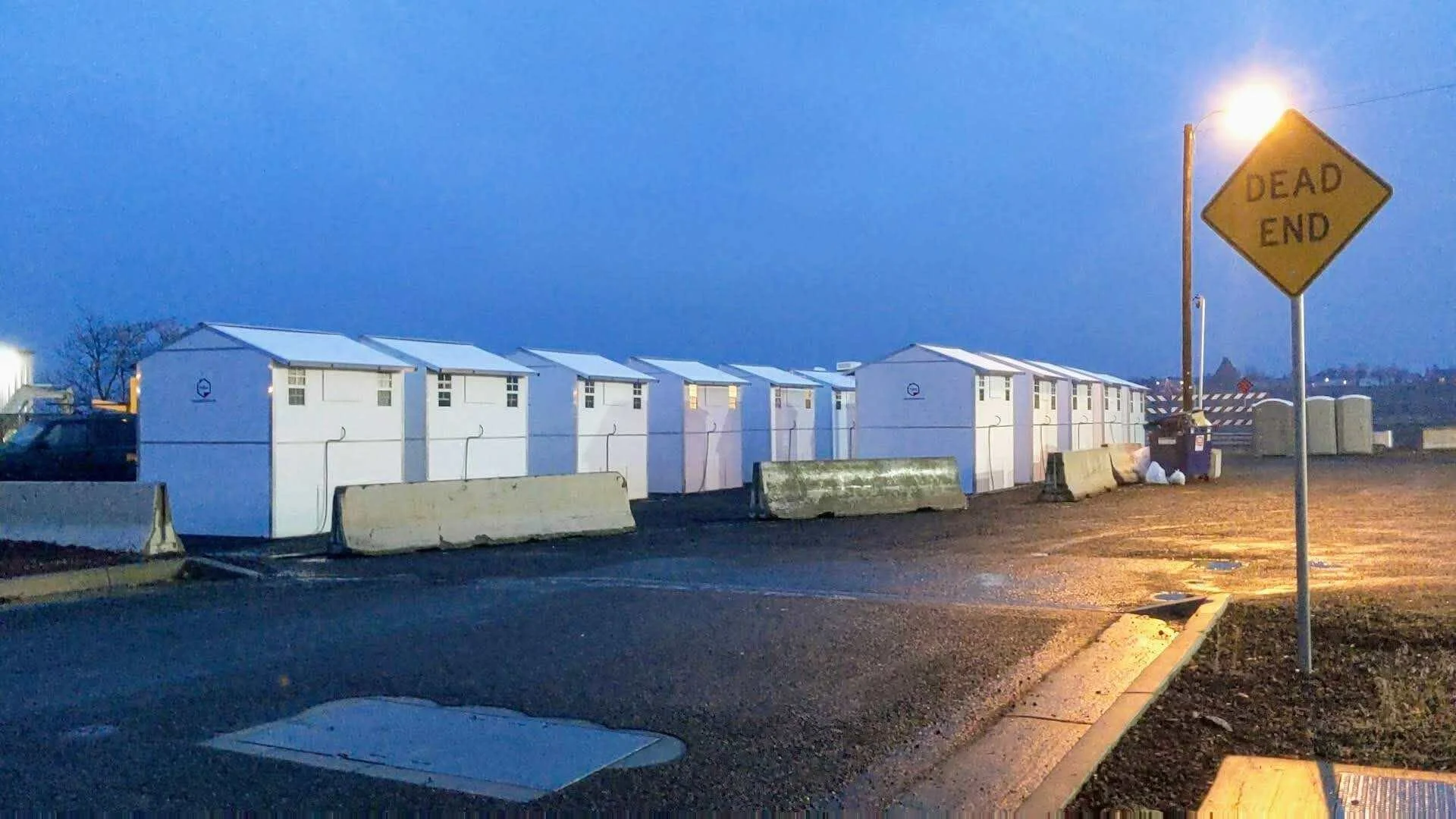
The Gorge’s Housing Emergency
A Community in Crisis Deserves a Voice
Across the Columbia River Gorge, residents are experiencing a deep mismatch between what our communities need and the policies meant to protect them. Rising housing instability, worsening public-health indicators, and slow or ineffective bureaucratic systems are putting neighbors at risk.
Local data from the 2024 Community Needs Assessments across the region show consistent themes: escalating housing insecurity, transportation barriers, childcare shortages, and widening health disparities.
• WAGAP Community Needs Assessment 2024: https://www.wagap.org/newsfeed/community-needs-2024
• Mid-Columbia Community Action Council Data Reports: https://www.mccac.com/data-reports
People of the Gorge exists because our communities deserve better. This region is worth fighting for, and so are the people who live here.
Housing as a Public Health Emergency
Housing instability is now one of the most serious public-health threats in the Gorge. Multiple recent assessments make this clear:
• Housing insecurity is widespread and rising
WAGAP’s 2024 regional community needs report identified housing as one of the top two unmet needs reported by low-income residents across Skamania and Klickitat Counties.
• Instability directly harms health
The 2024 Mid-Columbia Community Health Assessment (CHA) identified housing as a primary driver of avoidable health conditions, including mental distress, unmanaged chronic illness, and increased emergency-room use.
• Families are living one emergency away from crisis
MCCAC’s 2024 data reports show 28-33% of households in several Gorge counties fall under the ALICE threshold, unable to reliably afford housing, food, transportation, childcare, and healthcare.
• Klickitat and Skamania have some of the highest rural homelessness rates in the region
An estimated 2% of of Klickitat and Skamania county residents are unhoused, according to the 2024 Columbia Gorge Community Health Assessment, a higher percentage than cities like Seattle. Because many live in RVs, vehicles, or dispersed on BLM land, the actual figures are likely much higher.
• The housing supply is nowhere near adequate
The Skamania County Housing Needs Analysis shows a deficit of 1,949 housing units over the next 20 years, far more than current zoning or infrastructure can support.
All five major regional sources including WAGAP, MCCAC, the CGHC CHA, local county assessments, and housing market data all point to the same conclusion:
Housing in the Gorge is now a public health emergency.
And current policy structures are not keeping pace with the severity of the need.
Why a Resident-Led Voice Matters
With overlapping crises in housing, health, and governance, our communities need:
• Clear, plain-language explanations of policy decisions
• Notice of public comment opportunities
• A trusted source for data about local needs
• A way to share personal experiences and systemic barriers
• Advocacy that centers the people affected most
People of the Gorge will work to make this possible.
We ensure that the people living with the impacts of policy have a meaningful way to be informed, speak up, and shape the future of their communities.
A Healthy Gorge Requires Resident Power
We believe:
• Housing is the foundation of public health.
• Residents deserve functioning, transparent institutions.
• Community voice should guide the 2026 Gorge Management Plan update.
• Policies must reflect lived experience, not distant priorities.